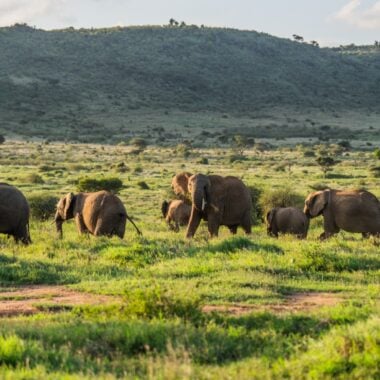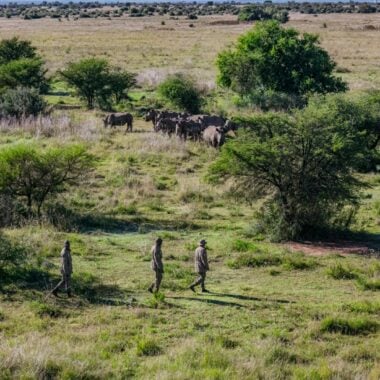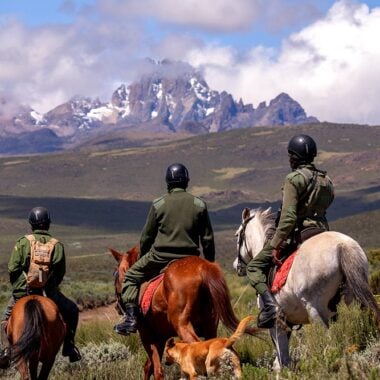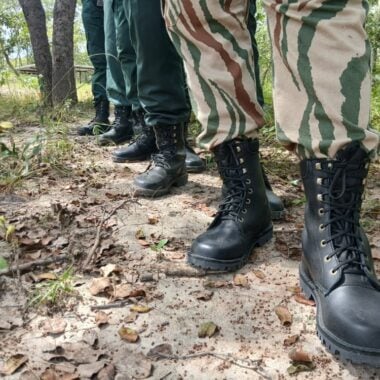
In Kenya’s northern highlands, where acacia-dotted plains rise towards the snowcapped peaks of Mount Kenya, the rangers of Lewa Wildlife Conservancy begin their day in darkness. They lace up their Jim Green AR8s, sling their packs over their shoulders, and head out across 62,000 acres of wilderness, one of the most successful conservation landscapes in Africa.
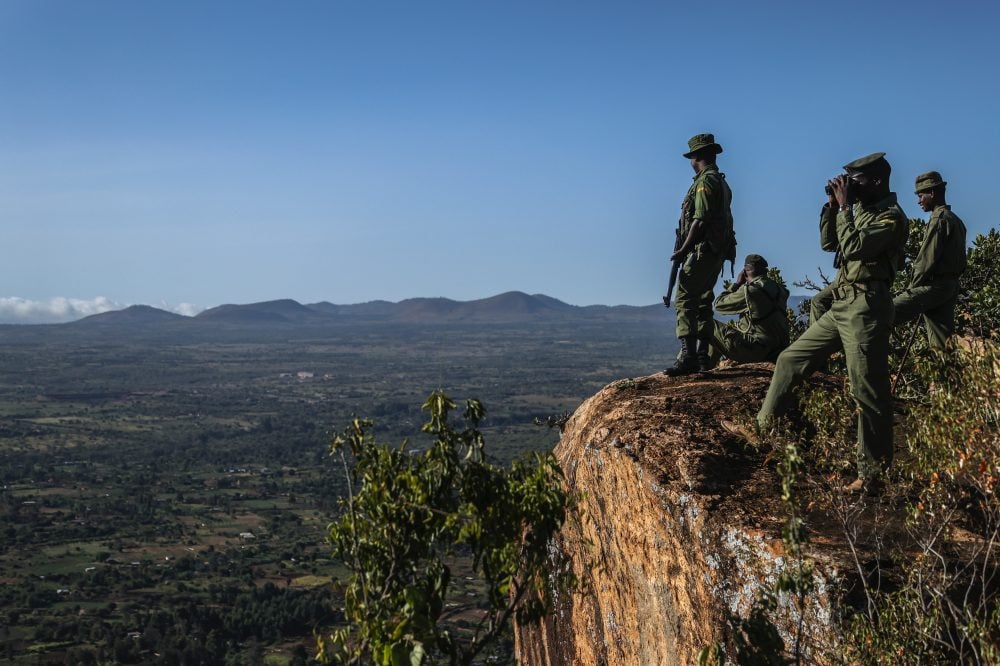
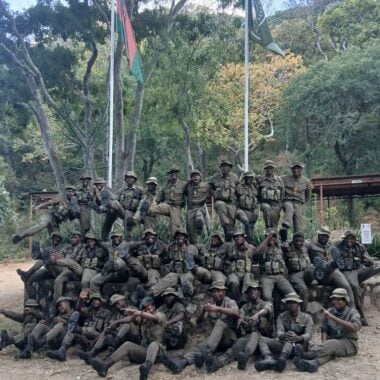
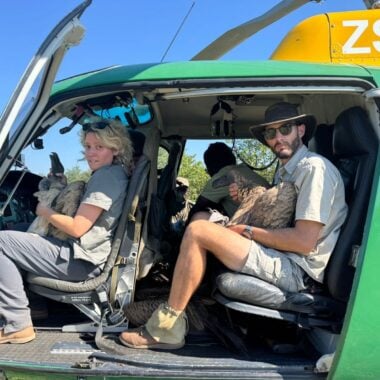
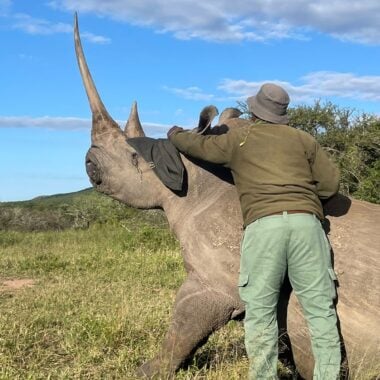
For Edward Ndiritu, Head of Lewa’s Anti-Poaching Unit, this ritual has been his life for nearly three decades. “I’ve been a ranger for 29 years,” he says. “My work is to protect people, wildlife, and endangered animals.” He says it quietly, almost matter-of-factly, but his team’s work is anything but ordinary. Lewa is one of Africa’s last safe havens for both black and white rhino, and Edward leads the 40-person anti-poaching unit tasked with keeping them alive.
Lewa’s anti-poaching rangers aren’t just conservationists. They’re also National Police Reservists, sworn officers with the power to arrest, investigate and even prosecute offenders across Kenya. “We have the same authority as the police,” Edward says. “But we’re employed and paid by Lewa. It means we can act quickly, and we can protect not just wildlife, but also the communities that live around us.”
Security at Lewa is divided into two tightly run departments: general security, comprising rhino monitors and gatekeepers, and the elite Anti-Poaching Unit. “We don’t share radio channels or deployment details,” Edward explains. “It’s not about mistrust. It’s about protection. One leak can cost a life.”
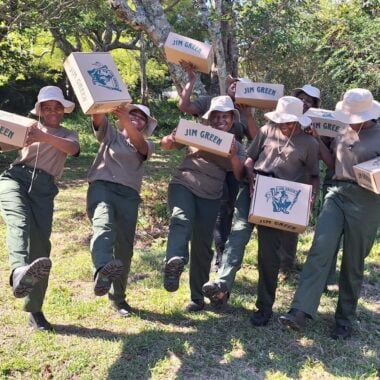
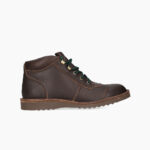
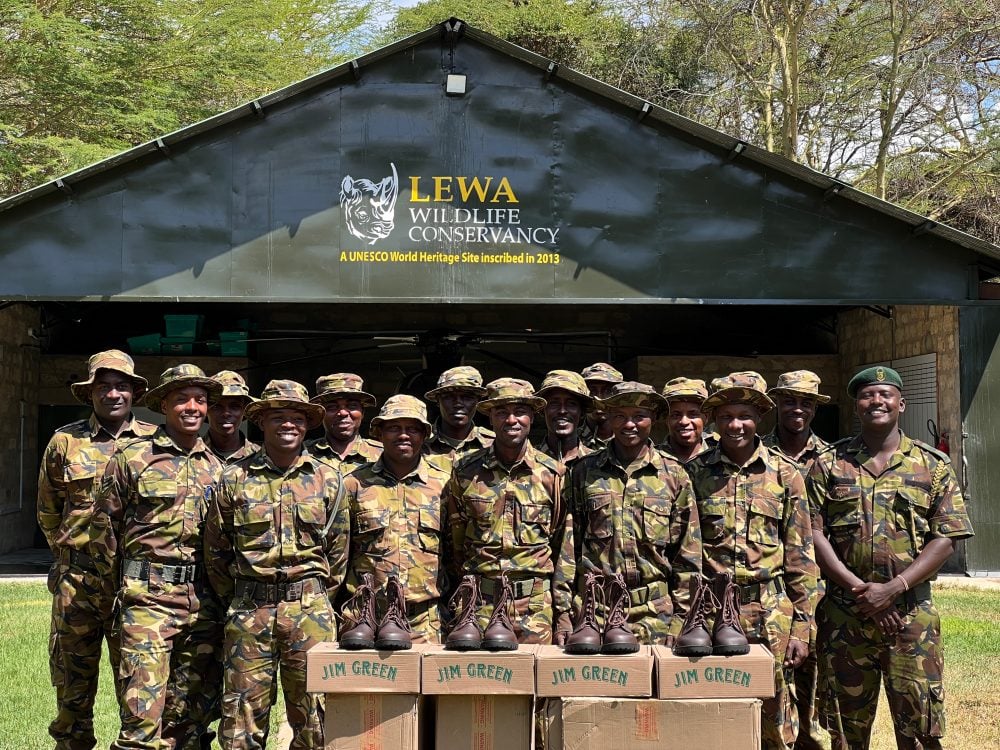
Earlier this year, Lewa’s rangers received 124 pairs of Jim Green AR8 boots through the Boots for Rangers initiative, a partnership between Jim Green Footwear and the Game Rangers Association of Africa. The difference was immediate. “Our rangers walk 10 kilometres a day, sometimes more,” Edward says. “The boots we usually get here only last three months. They’re not made for our terrain; they give you blisters. These Jim Greens have space, they’re comfortable, and they last. The rangers say they’re the best boots they’ve ever used.”
But what makes Lewa remarkable is what happens beyond its patrols—in the villages that border its fencelines, where the real test of conservation is fought. As Joy Ndinda, Lewa’s Head of Communications, puts it, “Lewa is a model of community-based conservation. We believe local people must be co-owners and beneficiaries conservation.”
That belief is the foundation of everything. Around 200,000 people live in the conservancy’s orbit, many of whom have seen the benefits first-hand: 28 public schools supported through infrastructure and digital literacy programmes; over 2,100 women empowered with microloans and business training; 18 clean-water projects that keep farms and households running in the dry season.
And then there are the health clinics: four of them along Lewa’s borders, equipped with maternity wards, pharmacies, and labs. “When women can give birth safely, when children can go to school, when farmers can grow crops without conflict, they start to see wildlife as part of their future, not as their problem,” Joy says.
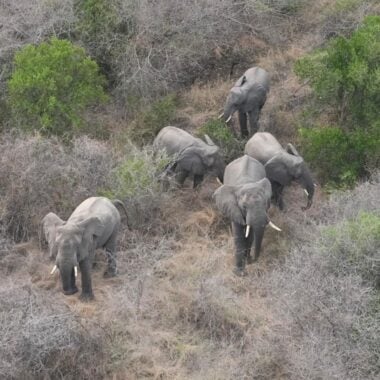
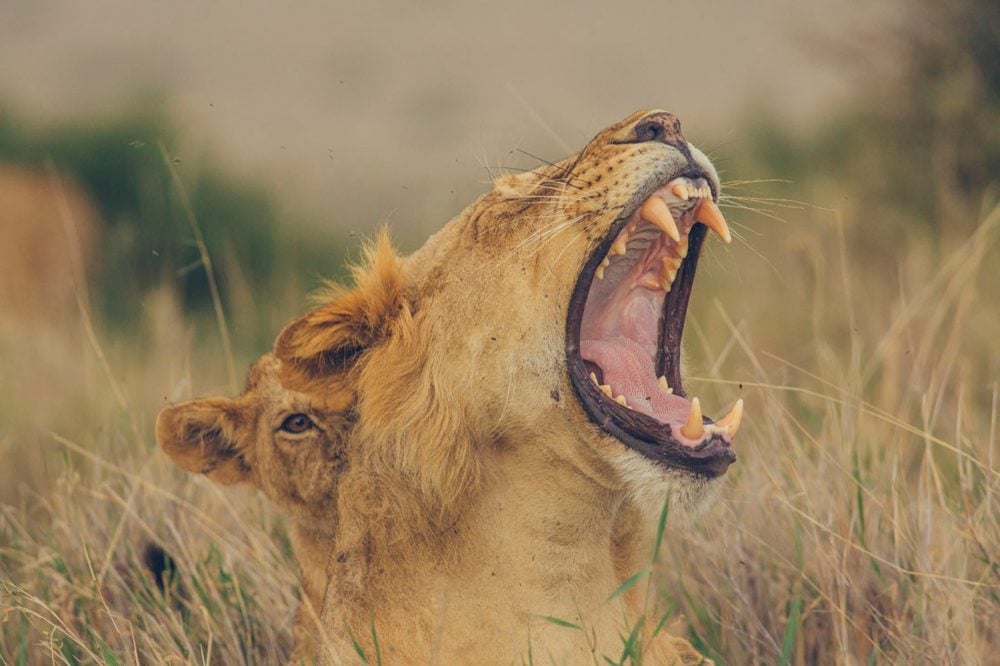
That change in perception has transformed Lewa into a global model of coexistence. Designated as both a UNESCO World Heritage Site (as part of Mount Kenya) and a Key Biodiversity Area, Lewa is home to all of the Big Five, over 500 bird species, and rare animals like the reticulated giraffe, Grevy’s zebra, and the curious, flat-shelled pancake tortoise.
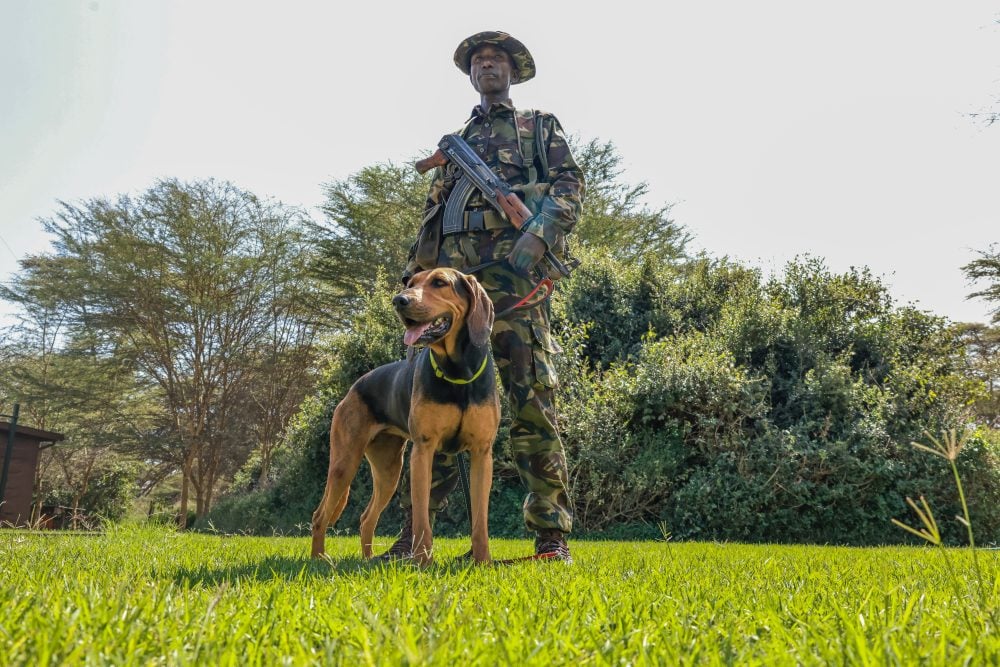
Tourism fuels this ecosystem, but quietly. There are no crowds here. “We practice sustainable tourism,” Joy says. “Guests come for the pristine landscapes.” Visitors can spend their days game driving or visiting nearby schools, water projects, and farms to see how conservation and community work hand in hand. “Conservation is not just about animals. It’s about livelihoods and people, too.”
“If there’s a housebreaking, livestock theft, or robbery in the community, we go,” says Edward. “Because when people know we’ll help them, they’ll help us. They’ll protect the rhinos too.”
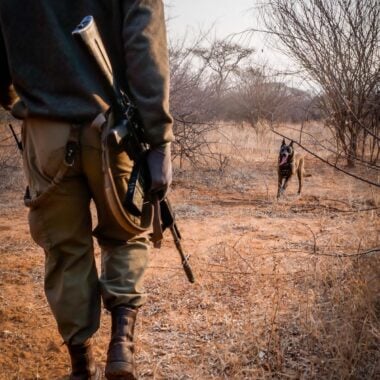
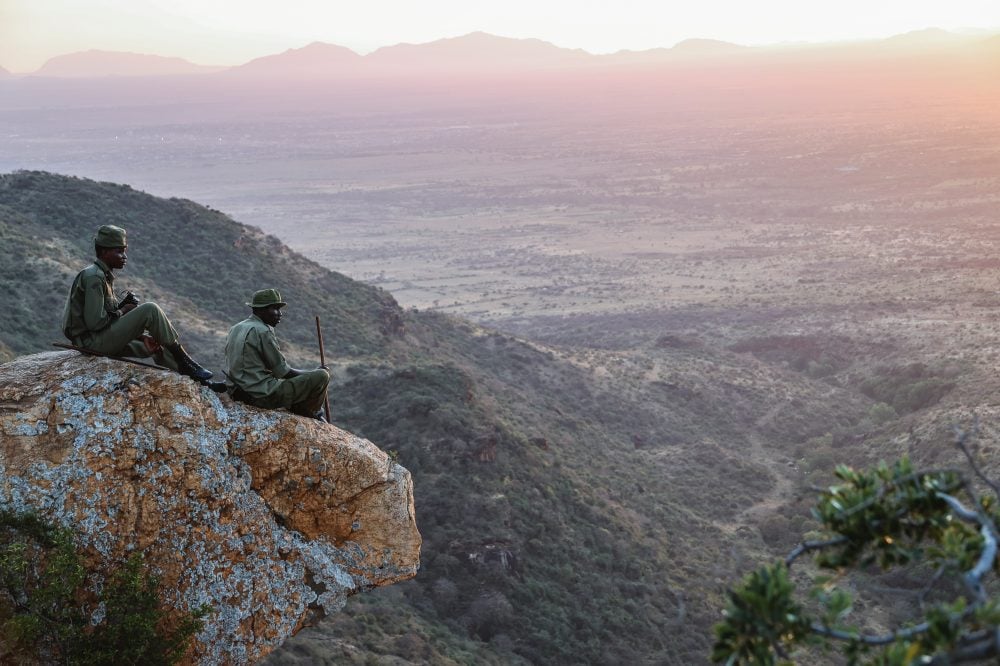
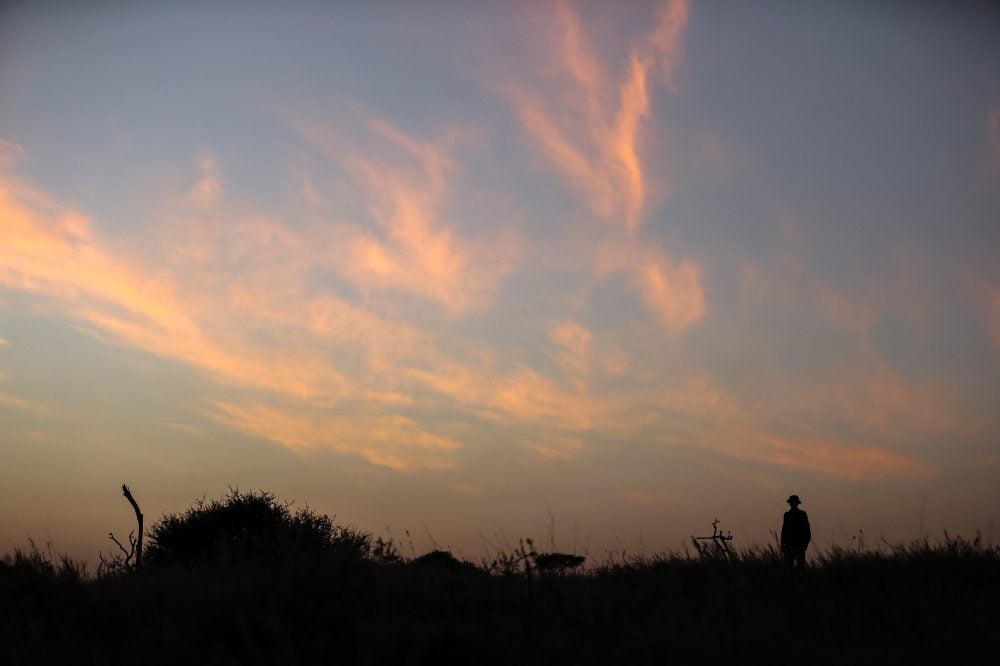
Their patrols cover everything from dense thickets to open grasslands, depending on where the rhino herds move and where intelligence reports hint at possible threats. At night, they climb to high ground, scanning with their goggles and thermal imagers for any unusual movement. “In Kenya, 98% of rhino poaching happens at night when the moon is bright,” Edward says. “So we have to invest in night operations. That’s when our eyes have to be everywhere.”
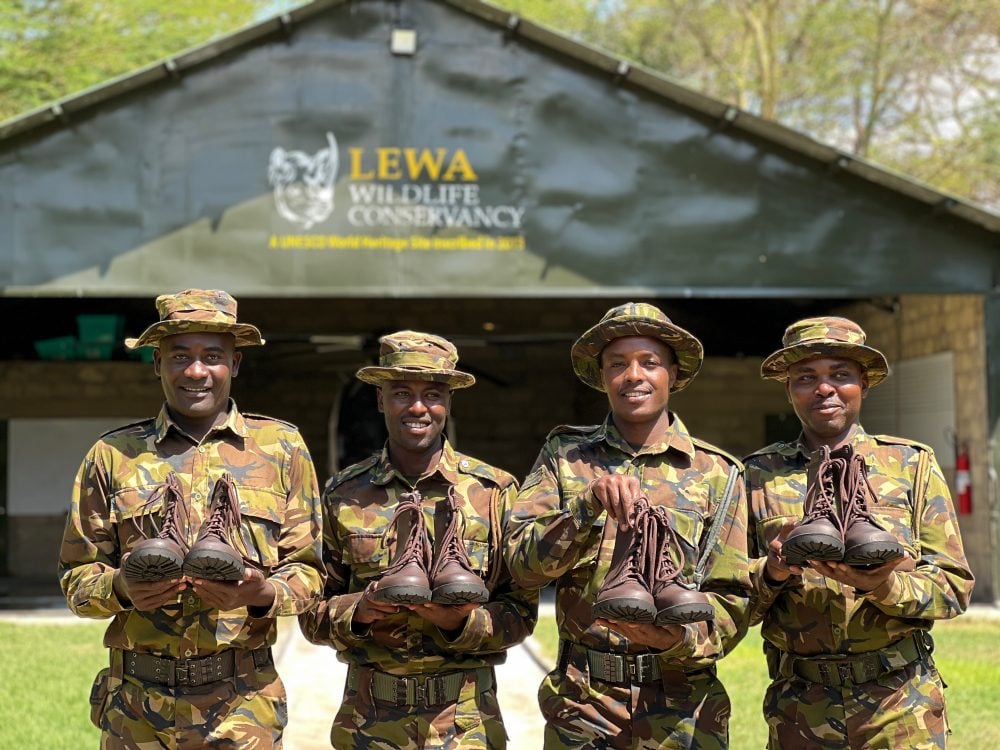
Out in the field, that trust becomes tangible. A nod from a farmer when a patrol passes by. A call from a herder spotting strangers near the fence. Small, daily exchanges that, over time, build something stronger than fences or laws: a sense of belonging.
It’s that bond—between ranger and villager, between the wild and the human—that keeps Lewa alive.
Cheers,
The Jim Green Team
*Through our Boots for Rangers initiative, run in partnership with the Game Rangers Association of Africa, we donate one pair of boots to a ranger for every ten pairs sold from our Ranger range. These boots are now supporting conservation teams at sites across Africa, with over 6,000 pairs already on the ground.