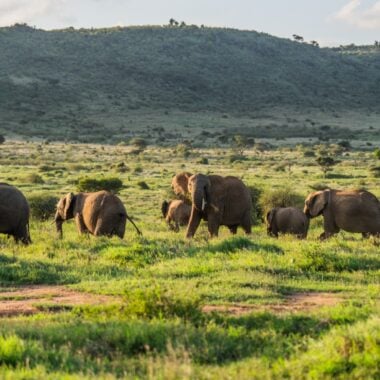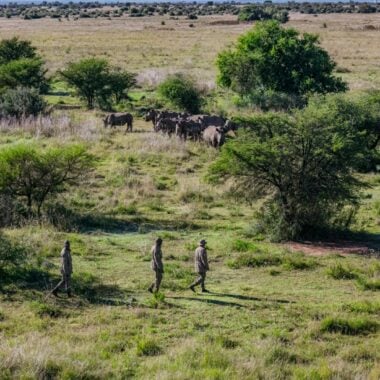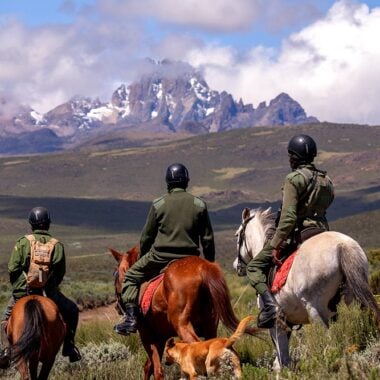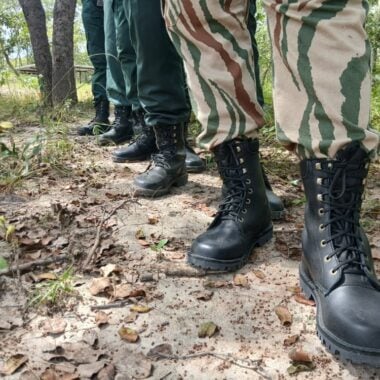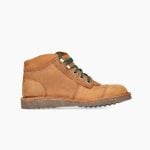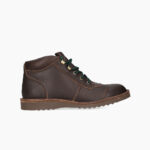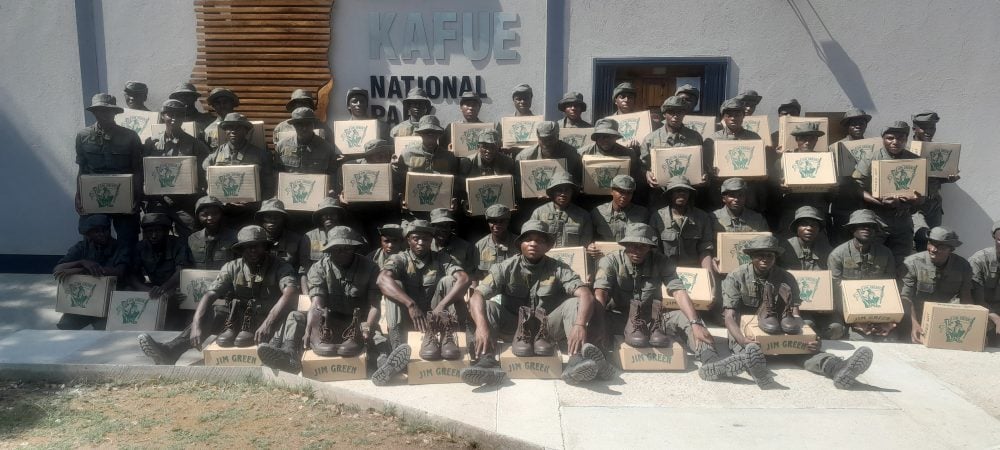
First light in Kafue National Park arrives with motion. Puku step out of the grass as the light spreads, ground hornbills boom across the plains, and a thin ribbon of river wind glints in the early glow. On the far edges of this vast Zambian wilderness (well beyond tourist tracks), patrol teams are already lacing up their Jim Green AR8s. There’s no ceremony to it, no crowds, no briefing tent, just routine. Boots on, packs lifted, another long stretch in the bush begins.

For the men and women who protect Kafue, time moves differently. A typical deployment lasts twenty days on foot, followed by two days of debriefing and resupply. Then ten days at home before it starts again. The rhythm is relentless, and the mission is to protect more than two million hectares of wild, intricate landscape.
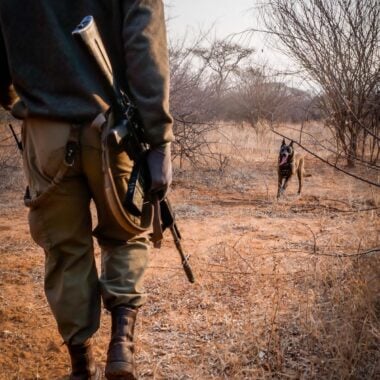
“Guys are moving through tough terrain, carrying everything they need, gathering intelligence, monitoring wildlife, and responding to illegal activities when they pick them up,” says Robert Bryden, Law Enforcement Officer at Kafue National Park. “For them, equipment is about survival.”
Bryden arrived in 2022, not long after African Parks signed a 20-year mandate with Zambia’s Ministry of Tourism. His task was as daunting as the landscape itself: rebuild a depleted law enforcement team and revive a park that had slipped through the cracks of underfunding and poaching pressure.
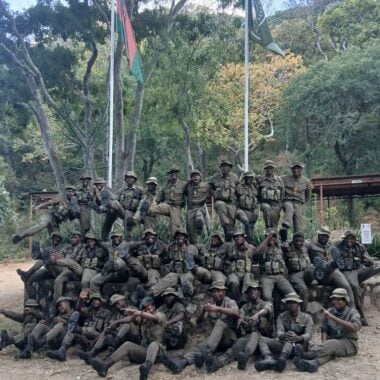
“When I arrived, we had about 120 law enforcement officers,” he says. “Today we have just over 330. We’ve recruited and trained an additional 180 scouts, and the goal is to keep developing them, because by next year, we’re aiming to reintroduce rhino. That’s been the driving focus for the past three years.”
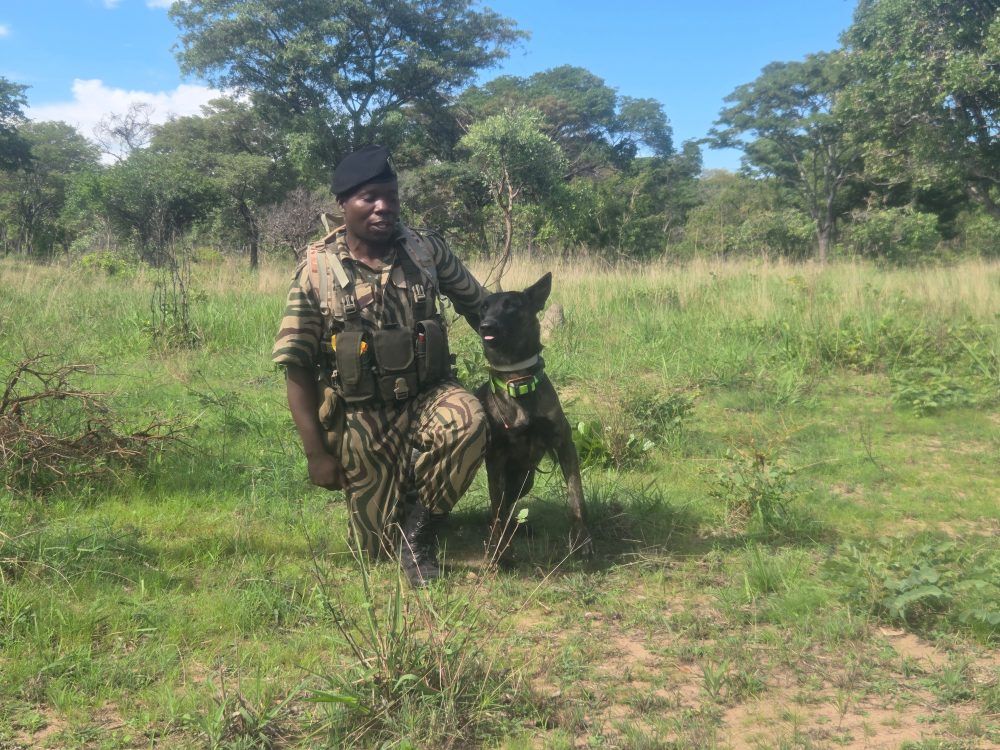
Rhino reintroduction in a place this size requires far more than optimism. It demands a law enforcement machine operating at scale. In Kafue, that means a network of Wildlife Police Officers empowered by Zambia’s Wildlife Act, Community Scouts recruited from Game Management Areas, and complex logistics shaped by a park with more water than roads.
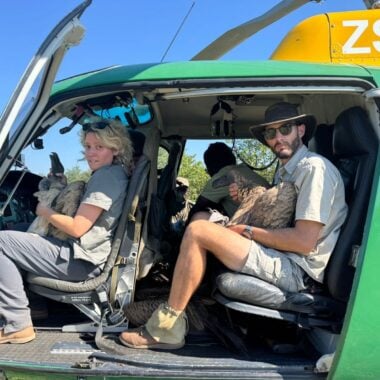
“We’ve got over 200 kilometres of river system and a huge lake called Itezhi-Tezhi,” Bryden explains. “Sometimes the guys are deployed by boat, sometimes by air, sometimes by vehicle, depending on the season. However they move, the work is the same. They’re out there on foot, protecting area integrity.”
It always comes back to foot patrols. Helicopters can insert teams, boats can carry them upriver, 4x4s can get them partway, but protection happens in footsteps.
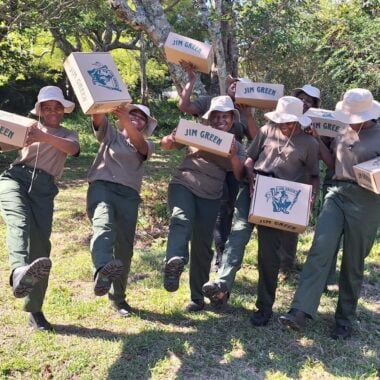
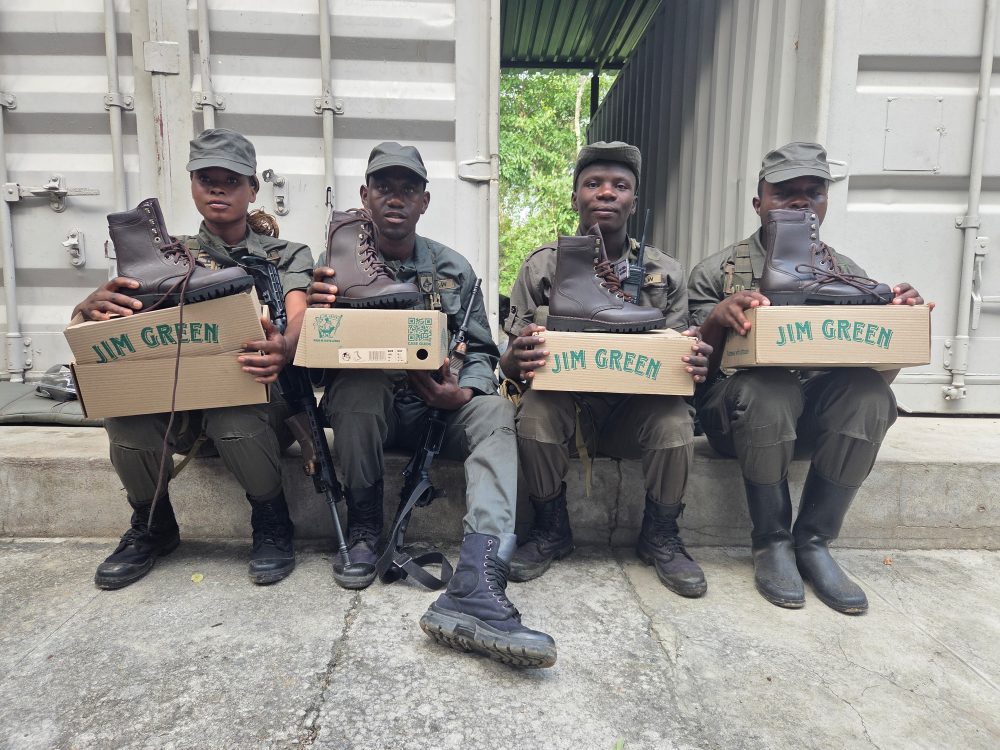
Last year, Kafue received 308 pairs of Jim Green AR8 boots through the Boots for Rangers initiative, a partnership between Jim Green Footwear and the Game Rangers Association of Africa. Every pair went straight to the field officers. A durable boot matters not just for comfort, but for safety and endurance. Proper equipment also builds pride within the force; when rangers are outfitted with reliable, professional gear, it reinforces the value of their work and strengthens how they are perceived by the communities and visitors they serve.
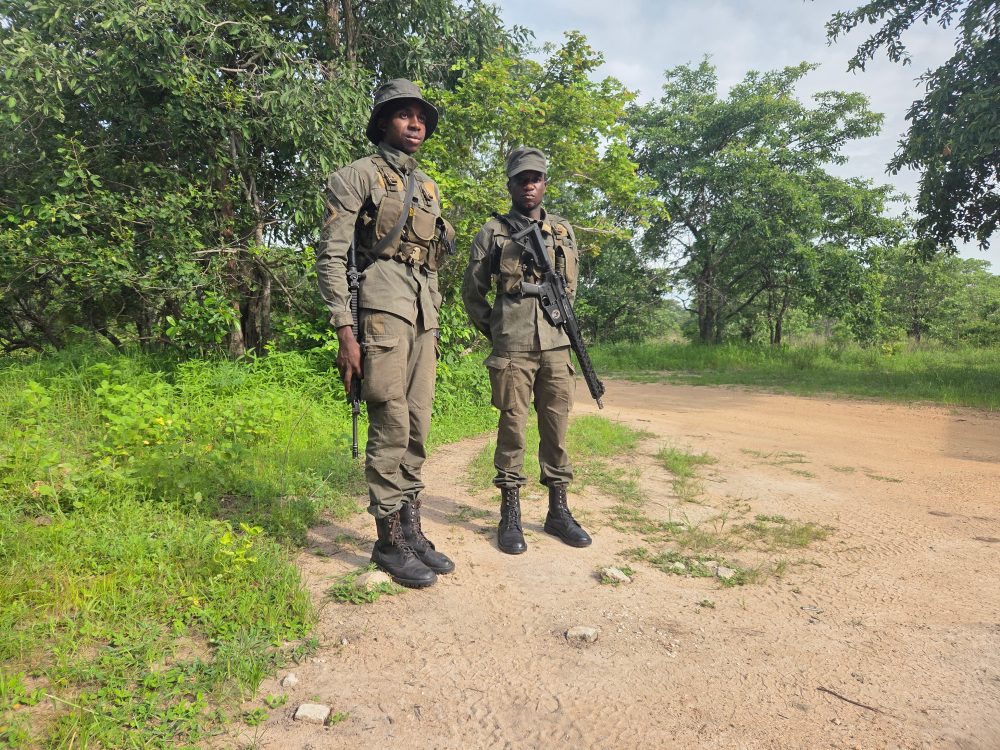
That professionalism is part of a larger transformation. African Parks is rebuilding the backbone of the park—law enforcement, infrastructure, and community partnerships—layer by layer.
Kafue itself has no settlements inside the park boundary, a rarity for a protected area of its scale. But the surrounding Game Management Areas pulse with life, politics, and community needs. Each GMA is governed by a Community Resource Board (CRB) that links conservation to livelihoods.
“We work very closely with the CRBs,” says Bryden. “They’re our link to what’s happening outside. It helps with intelligence, but it also builds trust. When people see that conservation is improving clinics, schools, and livelihoods, they become part of the solution.”
Tourism is beginning to reflect this renewed confidence. African Parks doesn’t run lodges, but its management has created the stability and security that allows tourism operators to invest. “In the last three years, we’ve almost tripled annual tourism income through better management and investment,” Bryden says. “That creates more jobs, more pride, more protection.”
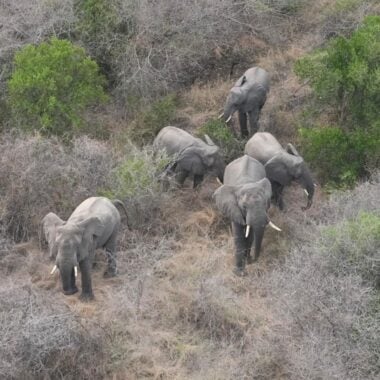
On the ground, the results are visible. Wildlife that had dwindled is being restored. Over 1,600 wildebeest and just under 200 zebras were translocated from Liuwa Plain National Park. Kafue lechwe (once locally extinct from the Lake Itezhi-Tezhi area) have been reintroduced and are thriving. The ecosystem is beginning to knit itself back together.
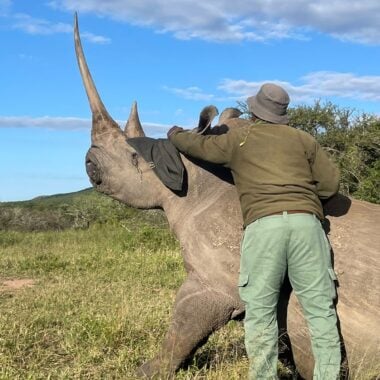
“The lechwe are doing superbly well,” Bryden says with quiet pride. “That’s one extinct species brought back. And next year, we’ll hopefully do the same for black rhino.”
Preparations for rhino reintroduction are already reshaping the landscape: new roads cut through previously inaccessible areas; an intensive protection zone spanning 150,000 hectares is being built; layered security systems are being tested; and rangers are training for the kind of high-stakes protection work that will define the next decade.
Across Kafue’s plains and riverbanks, new tracks are being made, not just by returning lechwe or migrating zebra, but by the men and women who protect them. Their work rarely makes headlines. It often goes unseen. But the evidence is there, written in footprints
Cheers,
The Jim Green Team