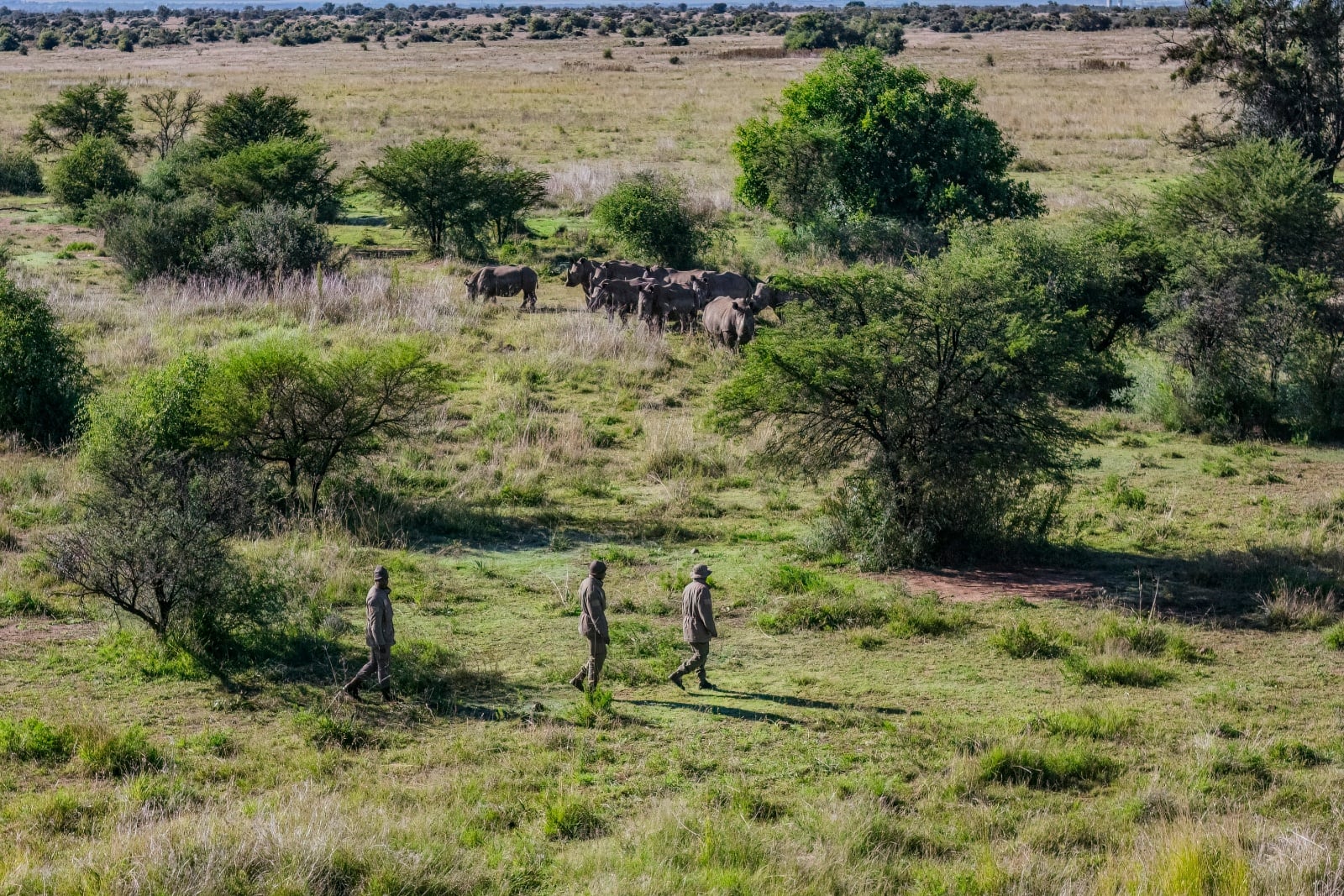
When African Parks stepped in to acquire the world’s largest captive rhino breeding operation in 2023, the headlines focused on the scale of it: 2,000 southern white rhinos, the largest rhino rewilding initiative ever attempted. Behind the numbers sits an even more complicated reality.
“What makes Rhino Rewild complex is not just the scale,” explains African Parks PR and Marketing Manager Helen Hancock. “It’s the combination of biological, logistical, and systemic challenges that all have to be managed at the same time.”
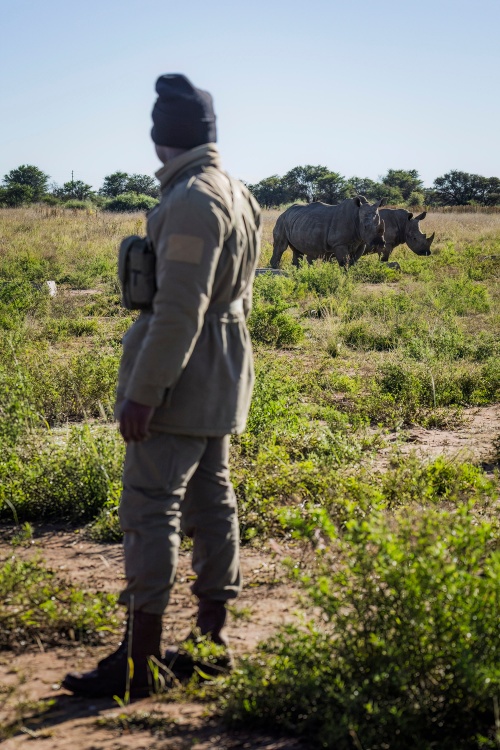
The idea behind the project is to move rhinos from a managed breeding environment back into secure, functioning ecosystems across Africa, where they can contribute to the species’s long-term recovery. Simpler said than done, that’s for sure.
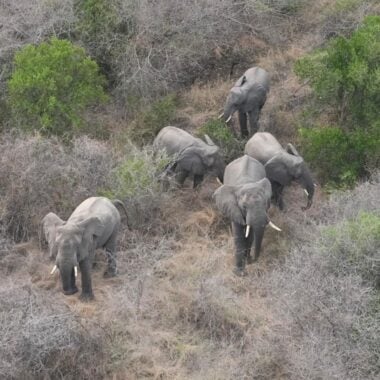
When the original operation fell into financial distress, the rhinos’ future became uncertain. Without intervention, there was a real possibility the animals would be sold off individually through liquidation, fragmenting one of the most significant populations of southern white rhino left in the world. “These animals represent a meaningful proportion of the global population,” Hancock says. “Their loss or dispersal would have been a conservation setback at the species level.”
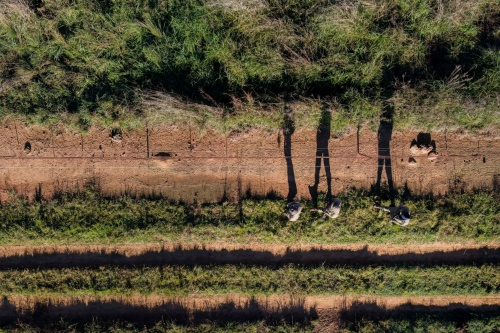
African Parks stepped in with a long-term strategy: stabilise the population, identify secure release sites across the continent, and gradually move up to 300 rhinos a year into protected landscapes where they could establish or strengthen wild populations.
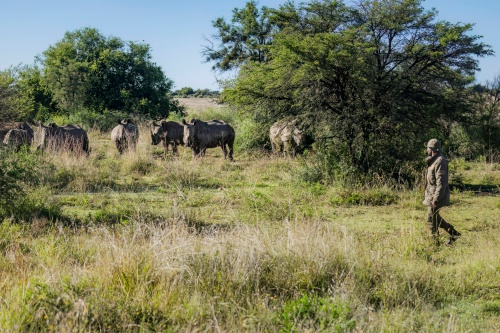
There’s far more to it than simply opening a gate and releasing animals into the bush. “Rewilding is about moving rhinos from a managed environment into large, functioning ecosystems where they can behave naturally and contribute to ecological processes,” Hancock explains.
Each move begins with identifying suitable landscapes. Those sites are assessed for habitat quality, long-term funding, management capacity, ecological suitability, and, critically, security. “A rhino-ready landscape is one where the ecological, operational, and social conditions are all in place,” Hancock says. “Without strong protection systems and community support, long-term success is unlikely.”
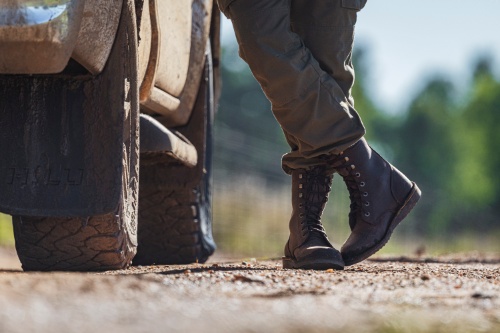
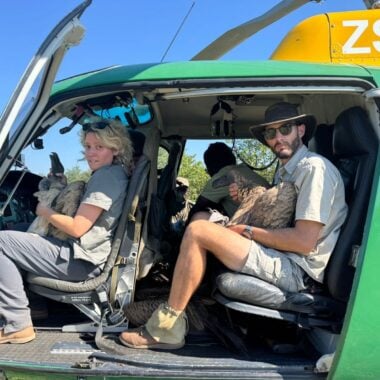
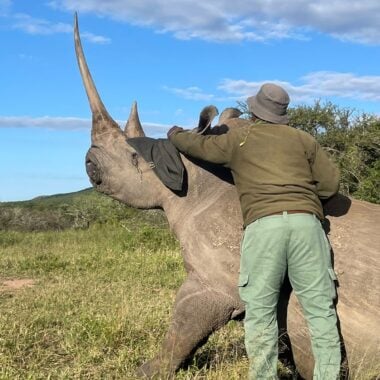
Once sites are approved, months of planning begin. Veterinary teams, logistics specialists, pilots, transport crews, and law enforcement units all become part of a carefully coordinated operation. “The rhinos are immobilised, transported by road or air, and then intensively monitored once released,” Hancock says. “Every stage follows strict protocols aligned with IUCN guidelines.”
One of the most demanding translocations so far involved moving rhinos to Garamba National Park in the Democratic Republic of Congo. The journey unfolded in multiple stages: road transport across South Africa, an international flight aboard a Boeing 747 to Uganda, a second transfer aboard a C-130 aircraft into Garamba, and then another road journey to the final release site.
“These operations combine international permitting, long-distance logistics, and the need to ensure animal welfare throughout,” Hancock explains.
The transport itself is extraordinary, but the real work begins after the rhinos arrive. One of the biggest misconceptions around Rhino Rewild is that animals coming from managed breeding systems are too habituated to survive in the wild. Hancock says that concern is often overstated. “Their natural instincts reassert quickly once they are in wild systems,” she explains. “But there is still a period of adjustment to new environments, social dynamics, and predators.”
The adjustment period requires constant monitoring and strong security on the ground. Once released into open systems, rhinos immediately face a very different risk profile. This is where ranger teams become critical.
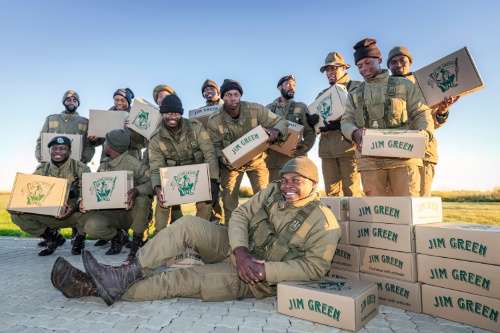
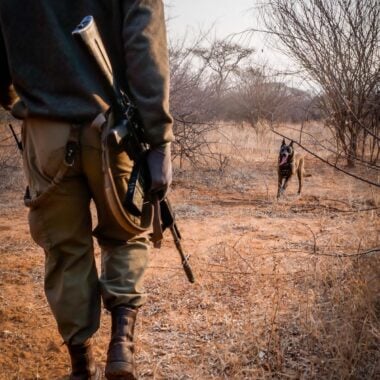
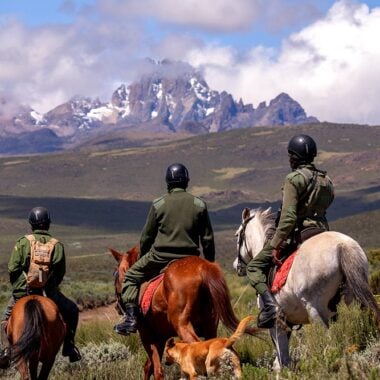
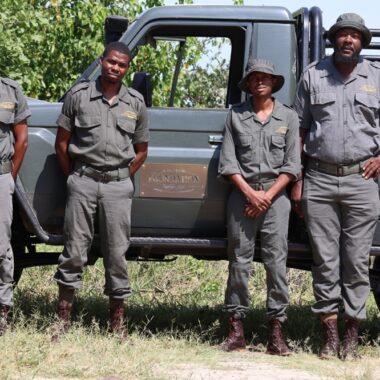
“Rangers are fundamental to the success of the initiative,” Hancock says. “Without professional, well-supported ranger teams on the ground, rewilding at this scale would not be possible.”Their work includes anti-poaching patrols, monitoring, rapid response, and maintaining security across often vast and remote landscapes. Rhino conservation remains deeply tied to law enforcement realities, particularly in areas where poaching pressure is still high.
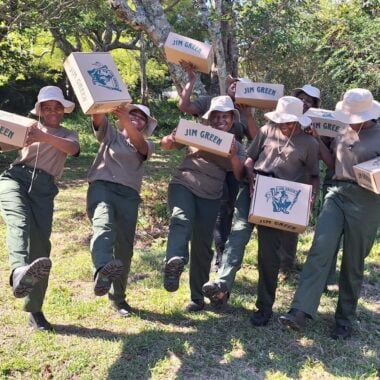
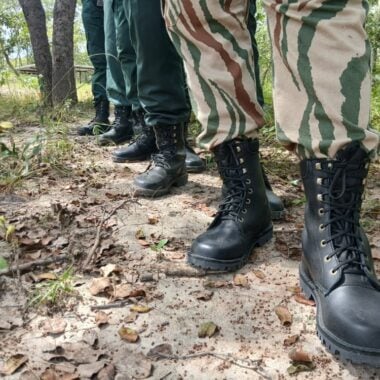
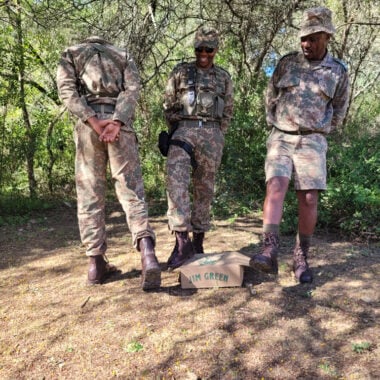
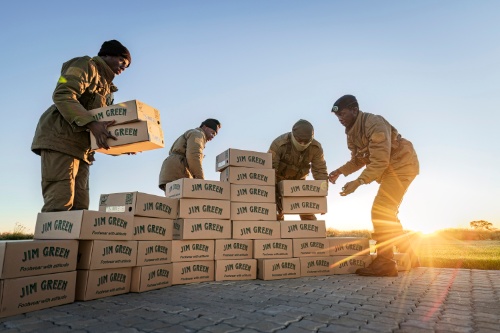
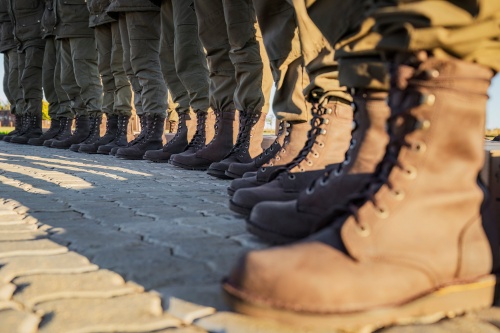
The success of those teams also depends on reliable equipment. In projects like this, practical gear matters. Ranger teams spend long hours on foot, often in difficult terrain and high-pressure environments where consistency and reliability are essential. Through the Boots for Rangers initiative, African Parks’ Rhino Rewild law enforcement team recently received 35 pairs of Jim Green boots, enough for every member of the unit.
Rhino Rewild is ultimately about more than logistics, security, or even rhinos alone. As Hancock explains, every reintroduction also depends on people living alongside these landscapes. Community support, local employment, and long-term relationships all form part of whether a population succeeds or fails over time. “Long-term conservation outcomes depend on building trust,” she says. “Communities need to have a stake in the success of protected areas.”
That broader vision is what makes Rhino Rewild feel different from a traditional wildlife translocation project. Yes, they are moving animals, but they’re also rebuilding populations across an entire continent, landscape by landscape, while trying to create the conditions that allow them to survive long into the future. And at the scale African Parks is attempting, there is no real precedent.
Cheers,
The Jim Green Team
Through our Boots for Rangers initiative, run in partnership with the Game Rangers Association of Africa, we donate one pair of boots to a ranger for every ten pairs sold from our Ranger range. These boots are now supporting conservation teams at sites across Africa, with 8691 pairs already on the ground. As of 14/05/2026