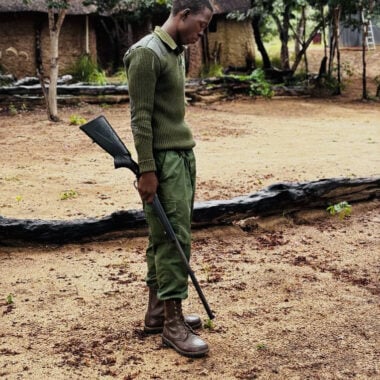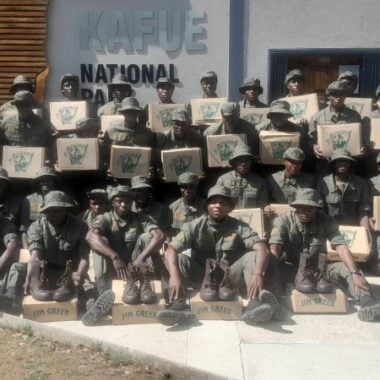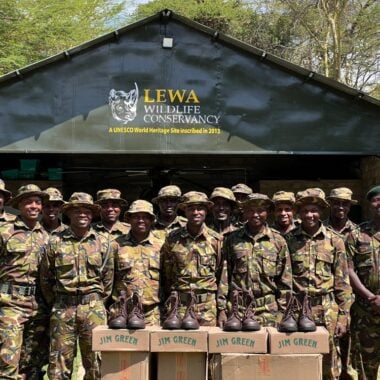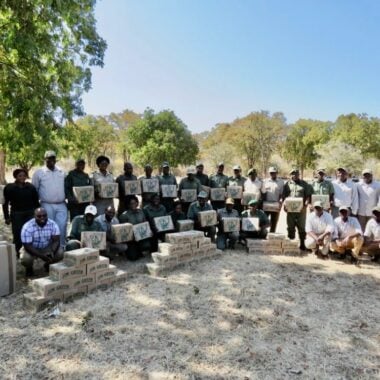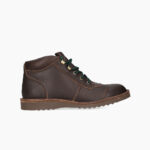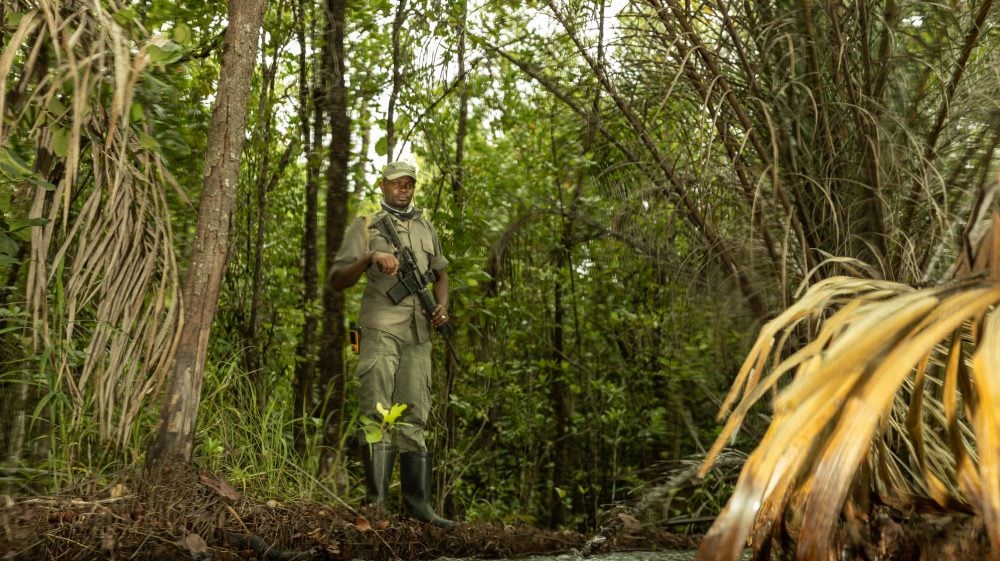
Rangers in Zambia’s Nsumbu National Park face some of the continent’s toughest patrol conditions. Rocky ground, thorny bush, snakes, and long hours on foot mean durable footwear is essential. That’s why Jim Green was proud to provide boots to patrol teams in the Nsumbu Area Management Unit, including the high-performing Alpha Teams. “Our rangers find the boots very comfortable,” reports Programme Manager Craig Zykow. “Great for everyday wear.”
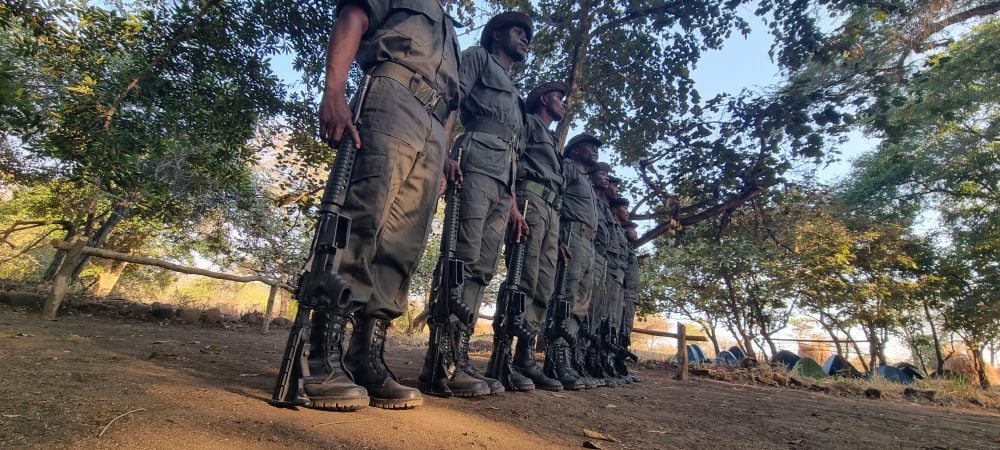
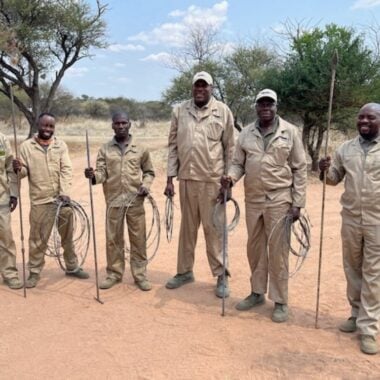
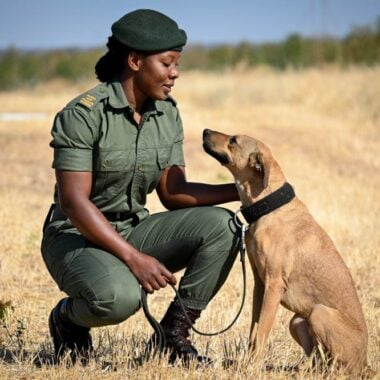
Patrol teams, typically deployed in units of five, carry out regular eight-day foot patrols and respond to alerts from a central control room. “Each ranger is expected to conduct a minimum of 15 patrol man-days per month,” Craig explains. “We also operate long boat patrols, a dog detection unit, and a quick response team.” Rangers check in twice daily as they navigate some of the most challenging and remote conservation terrain in the country.
In far northern Zambia, where Lake Tanganyika meets the escarpment, Nsumbu National Park is undergoing a steady and determined recovery. Devastated for over a decade by poaching, encroachment, and neglect, the park is now seeing strong wildlife recovery, infrastructure strengthening, and hope rebuilding. At the heart of this effort is the Nsumbu Tanganyika Conservation Programme (NTCP), a partnership between the Department of National Parks and Wildlife (DNPW) and the Frankfurt Zoological Society (FZS). Their joint mission is clear: to secure, restore, and protect Nsumbu National Park, while anchoring conservation across the wider Nsumbu-Mweru ecosystem.
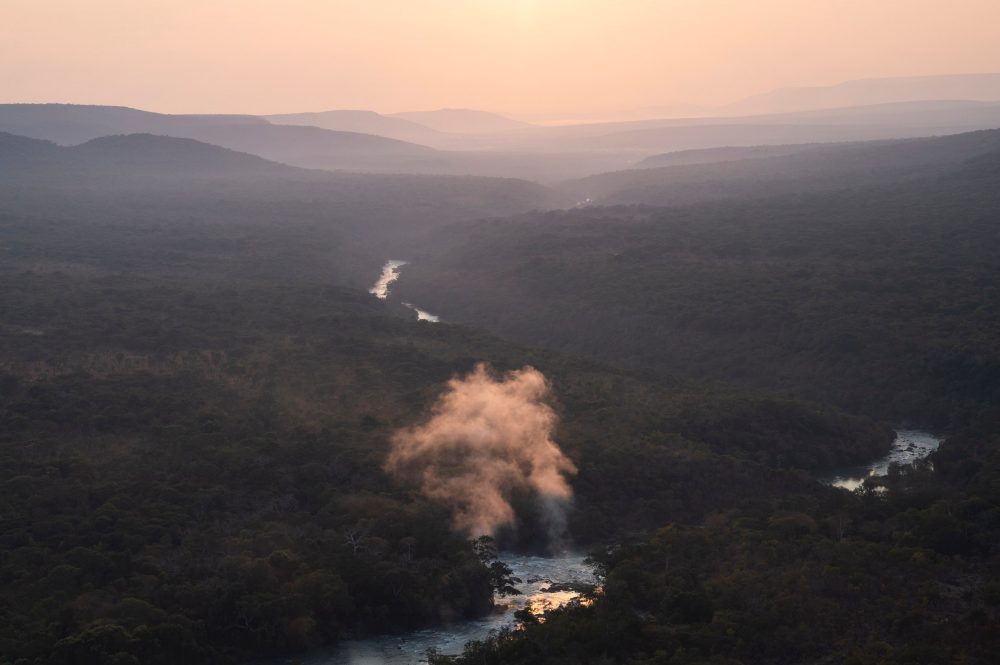
The landscape is vast, remote, and rugged, with over 20,000 square kilometres (an area larger than Eswatini) of woodlands, rivers, escarpments, and lake shores. It is home to elephants, lions, hippos, and over 500 bird species. Threats include bushmeat poaching (using both snares and firearms), illegal fishing, charcoal burning, and logging. But stronger ranger presence and better monitoring are already making an impact. Wildlife numbers are increasing, the range of key species is expanding, while illegal incidents are decreasing. “There is still pressure from illegal activities”, Craig notes, “but our impact is clear where we focus our efforts, particularly within Nsumbu National Park.”
Threats to the park include bushmeat poaching (using both snares and firearms), illegal fishing, charcoal burning (the illicit production of charcoal), and logging. However, stronger ranger presence and better monitoring have had a significant positive impact. More wildlife is being sighted, and incursions are being caught earlier. “It’s still an active poaching area,” Craig notes, “but we’ve seen a reduction in snaring activity where we patrol regularly.”
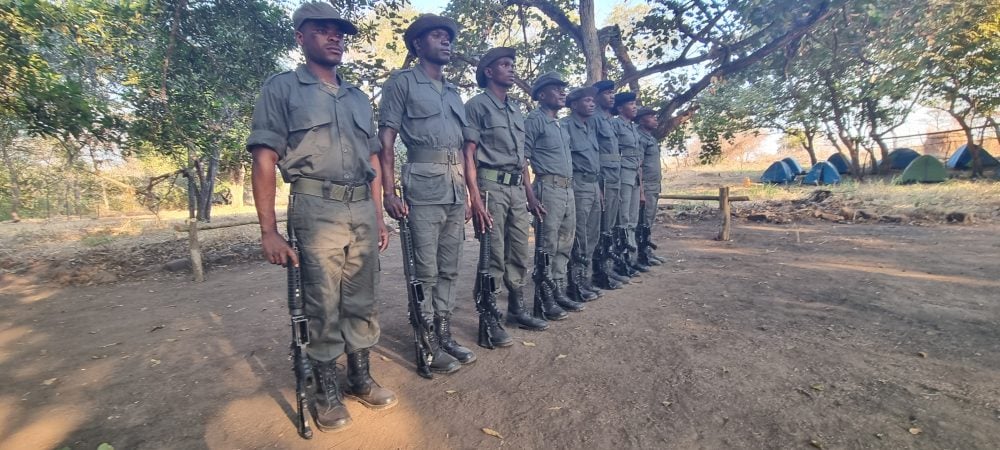
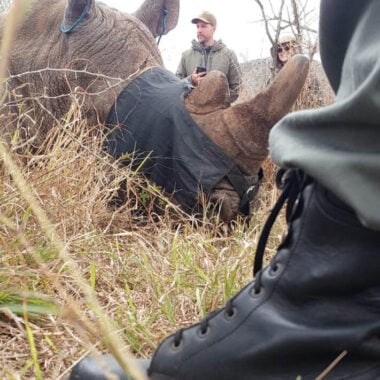
Looking ahead, NTCP’s mission is to conserve landscapes and enrich lives, reflecting a commitment to ensuring that wildlife and nature support one another. This includes recovering iconic species such as the black rhino and lions, and growing the area under effective partnership protection.
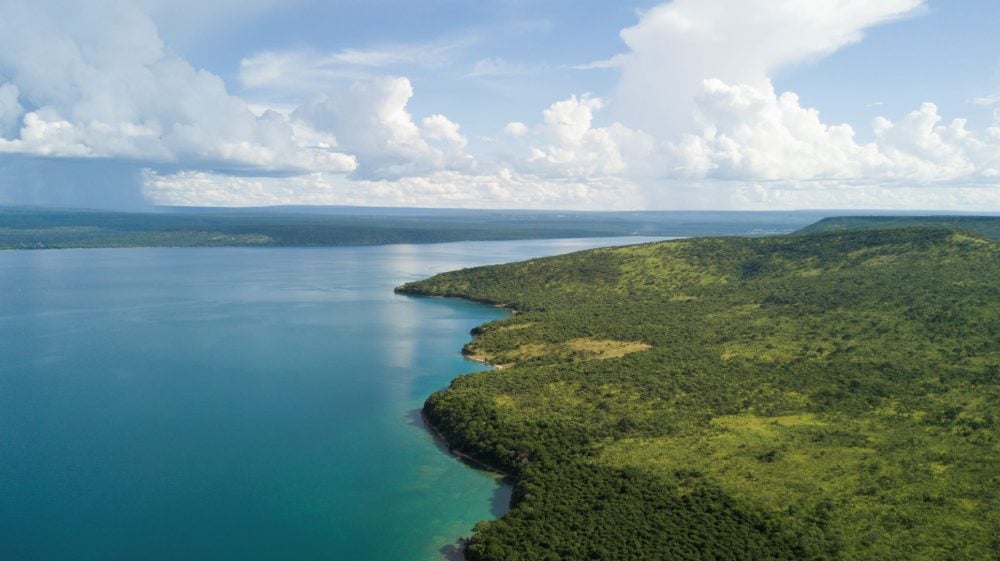
From foot patrols in thick bush to cross-lake deployments by boat, it’s detailed, collaborative work, but it’s paying off. Nsumbu is no longer just a park under pressure; it’s a landscape on the rise.
Through our Boots for Rangers initiative, run in partnership with the Game Rangers Association of Africa, we donate one pair of boots to a ranger for every ten pairs sold from our Ranger range. These boots are now supporting conservation teams at sites across Africa, with over 6,000 pairs already on the ground.
Cheers,
The Jim Green Team