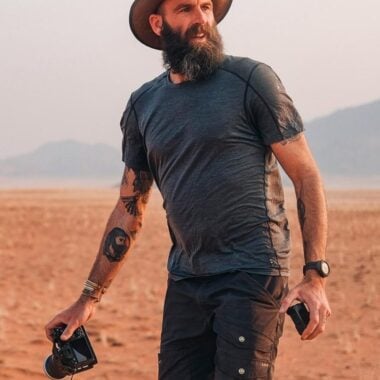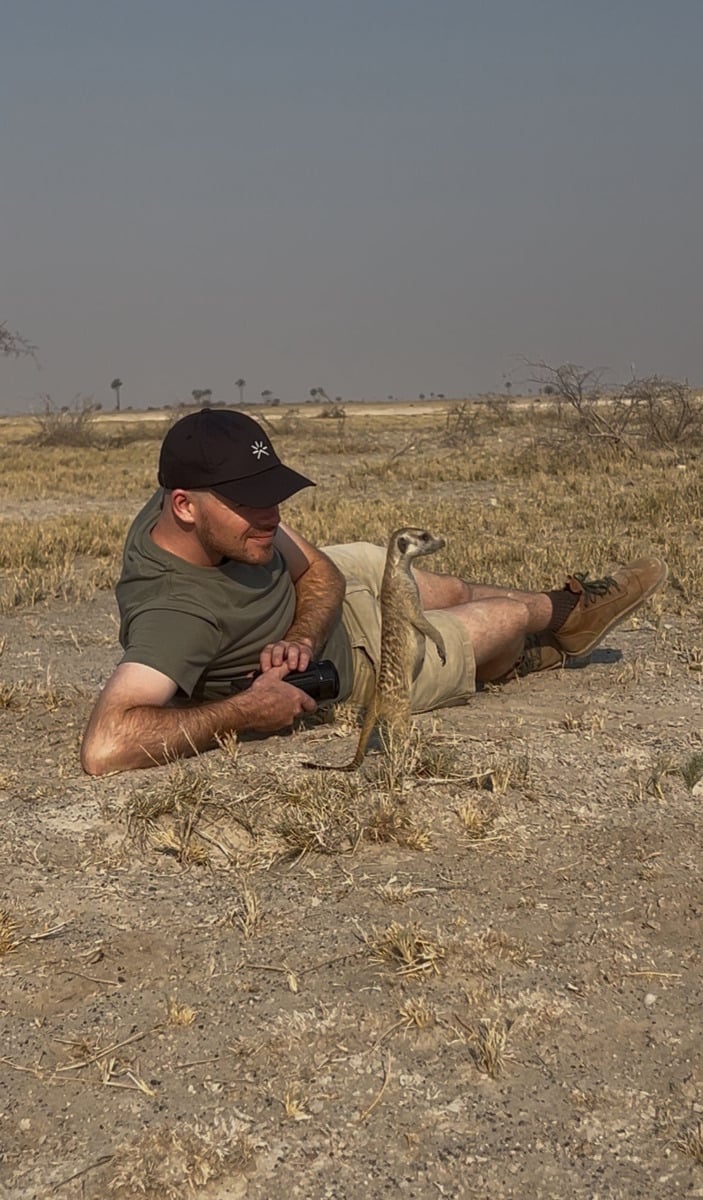
Callum Perry is currently based in Amersham, England, but part of him still belongs to the wild landscapes of Southern and East Africa. He first arrived in South Africa at 18 on a volunteer placement just outside Pretoria. What was meant to be a short stint quickly turned into something bigger. He fell in love with frontline conservation work and never really looked back
That decision led to a degree in wildlife conservation at the University of Kent, research trips to Kruger National Park during his studies, and eventually nearly a decade spent in South Africa working on the ground with conservation teams.
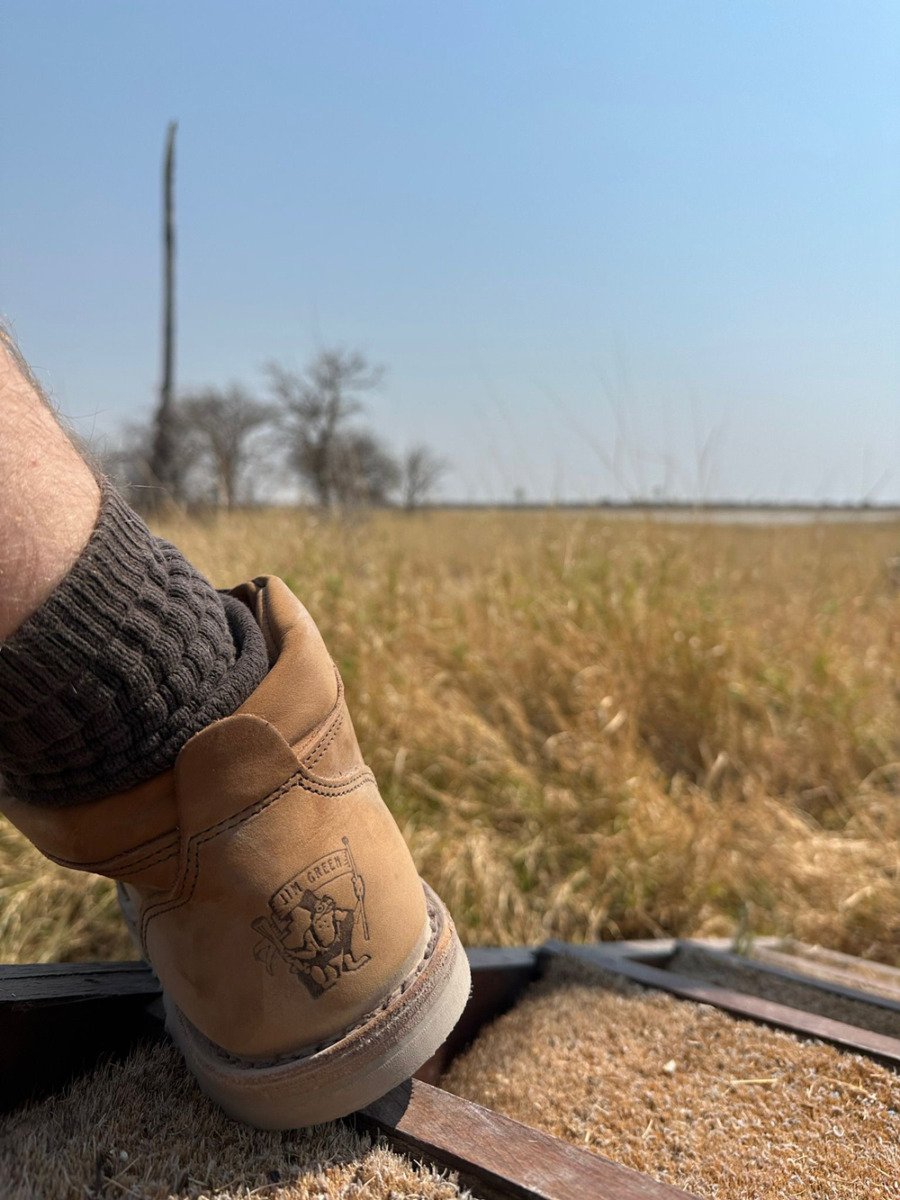
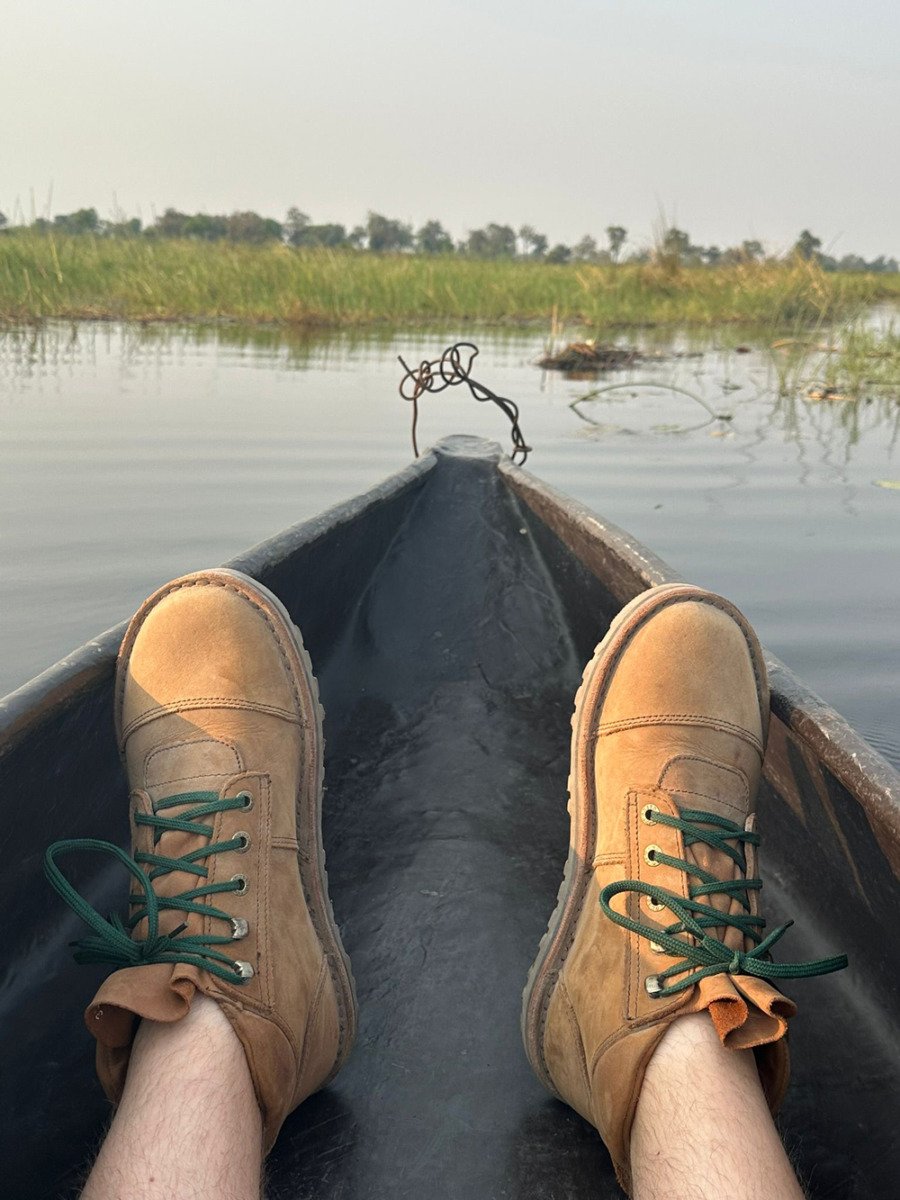
During those early years in the Waterberg, his days were physically demanding. Boots wore out fast. “I was going through vellies like no tomorrow,” he says. It was a colleague on a university placement who first introduced him to Jim Green. “He had a pair, and instantly I was like, you need to get me some of them.” His first pair was the African Ranger. Years later, they are still going strong.
Today, Callum wears many hats. By day, he works as a safari specialist for a UK travel company, helping connect travellers with meaningful African safari experiences. At the same time, he is a director of Scales Conservation Club, a non-profit based in Hoedspruit that aims to amplify the work of grassroots conservation groups, many of whom excel at protecting wildlife, but lack the resources or capacity to secure funding and visibility on their own.
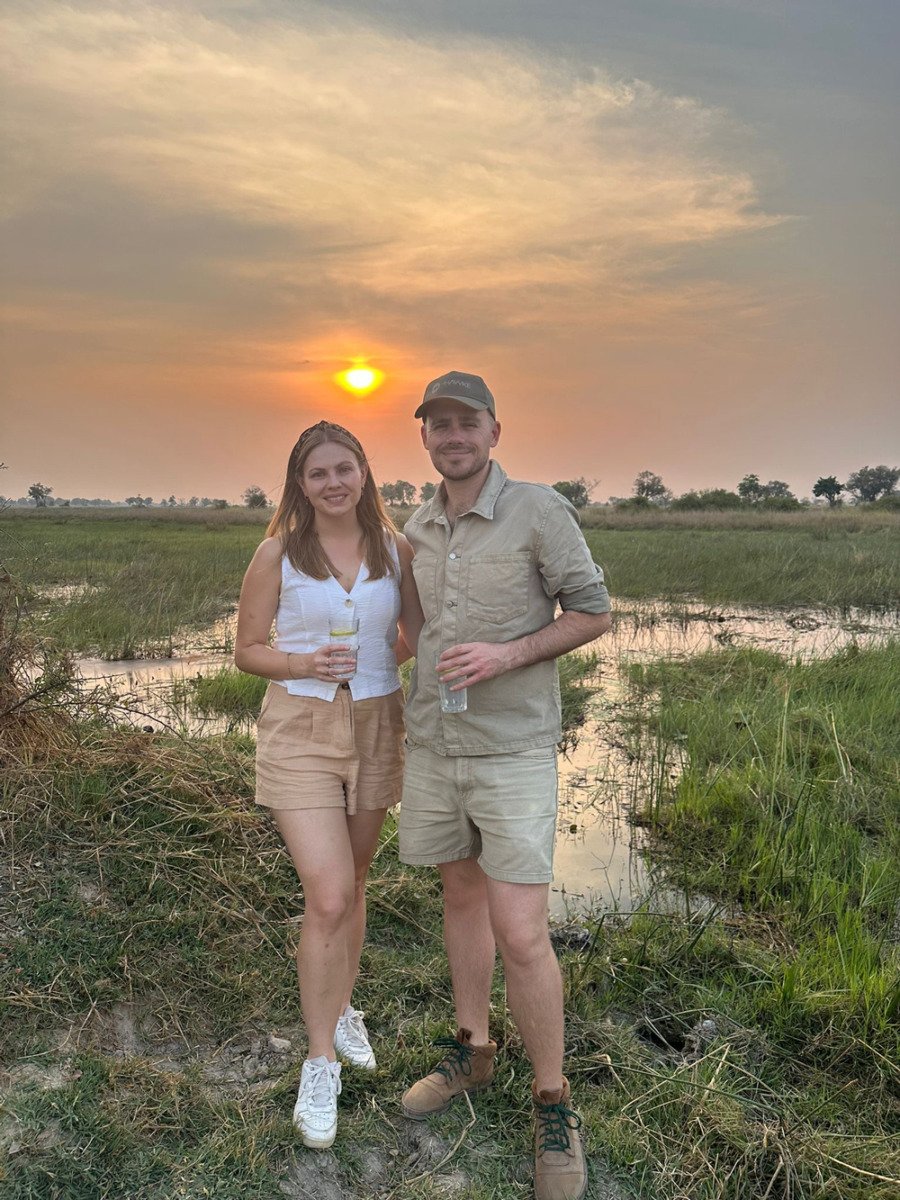
“Scales was born out of conversations around the fire after long days in the bush,” Callum explains. “We knew passionate conservationists were doing incredible work, but they were struggling to access funding or scientific support. So we created a platform to act as that middleman: helping them grow, promoting their impact, and connecting donors to real, on-the-ground needs.” One of Scales’ flagship beneficiaries is the Pangolin Rescue Fund, a programme dedicated to rescuing, rehabilitating, and releasing one of Africa’s most threatened mammals.
Clips from his time in the field—including a rhino charge, a leopard and porcupine stand-off, and close encounters with gorillas—have drawn attention online. They are striking moments that make conservation look cinematic, but, as Callum is quick to point out, they are only a small part of the work. “The glamorous frontline stuff is probably 10% of what we do,” he says. “The rest is data, paperwork, and admin. No one’s interested in watching conservationists in a boiling hot field office.”
That quieter work rarely makes it to Instagram. Still, it is where much of the impact happens: tracking data, coordinating teams, securing funding, and ensuring that conservation efforts are sustainable.
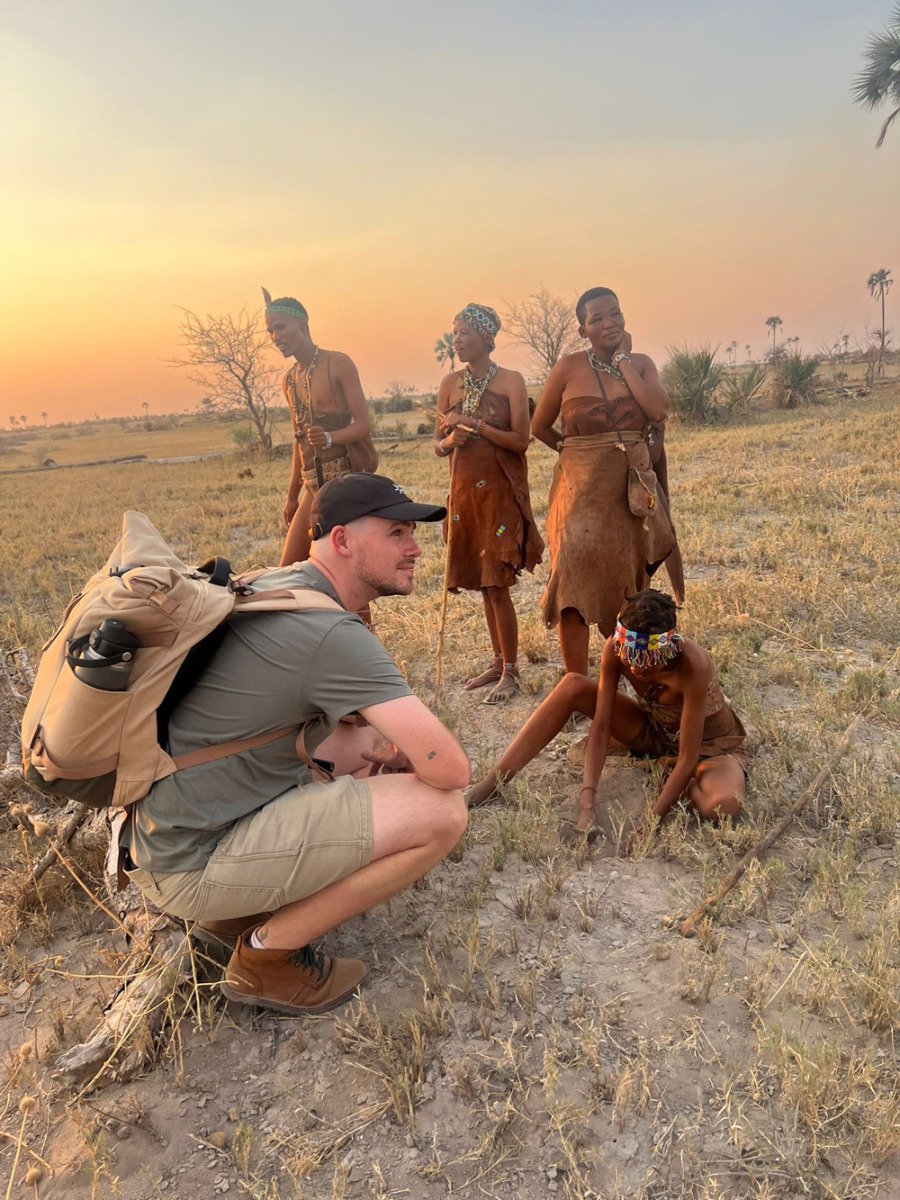
“The field is half adrenaline and half patience,” he says. “But that adrenaline is part of why we do it. Not for the spectacle, but because it reminds you of what’s at stake.”
It’s this blend of passion and pragmatism that makes his conservation work so effective. Scales has grown into a bridge between passionate conservationists in the field and people around the world who want to help but don’t know where to start. Beyond fundraising, Scales has become a community. From charity dodgeball tournaments to full-moon wildlife walks in Hoedspruit, the goal is to make conservation social, accessible, and fun. “We want people to fall back in love with nature in real, tangible ways,” he says.
Sure, Callum has a lot of bush cred, but life is not all wildlife encounters and conservation strategy meetings. Two years ago, he moved back to the UK to be with his partner, an adjustment he admits has not been easy. “I won’t lie, it’s been a tough adjustment,” he says. “My other half didn’t tell me to move back, but I did because I wanted to be with her. She has made what could have been very difficult much easier.” He jokingly adds that he has played a lot of golf since returning, a small way of still spending time outdoors.
Despite the move, Africa remains central to his life. In April, he will return to the bush for his wedding. “We’re getting married at Marataba,” he says. “I’m contemplating whether to wear Jim Greens on the wedding day. I feel like it would be quite nice. If I’m not barefoot, I may as well put Jim Greens on.” After a beat, he adds, “The biggest thing is getting the wife on board.”